Skip to content
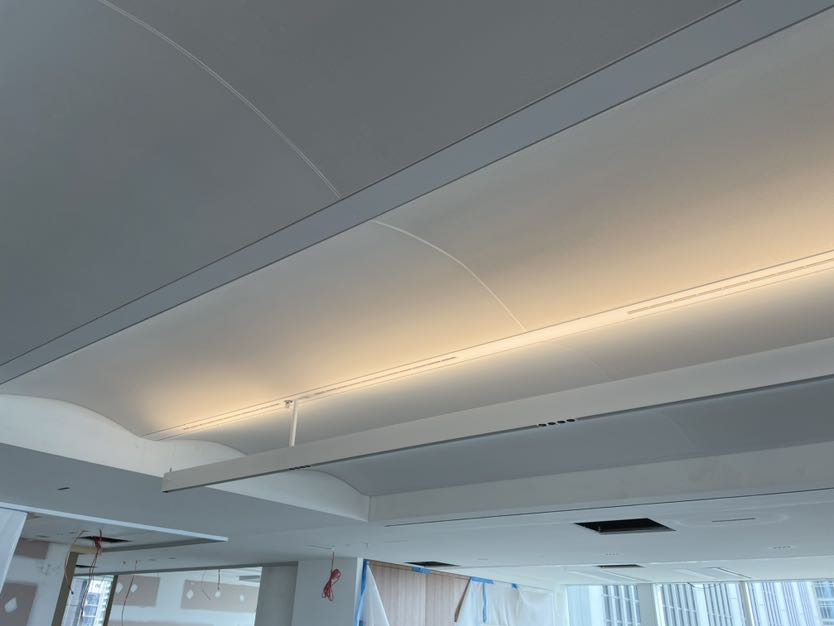
Ever walked into a restaurant where you cannot hear the person sitting across the table from you? Or been in an office where every small conversation echoes through the space? Then, you know sound absorption is critical to maintaining the audio sanctity of a space. This is why acoustic ceiling installation matters. Getting it right can transform a noisy, nightmare space into a comfortable, functional one.
Whether you’re a builder working on a commercial fit-out or a homeowner planning a renovation, understanding acoustic ceiling systems is essential to creating spaces that actually work for the people who use them.
Why Acoustic Ceilings Matter More Than You Think
In Australian homes and businesses, where open-plan designs are increasingly popular, managing sound has become crucial. And most people don’t realise their ceilings pose a problem.
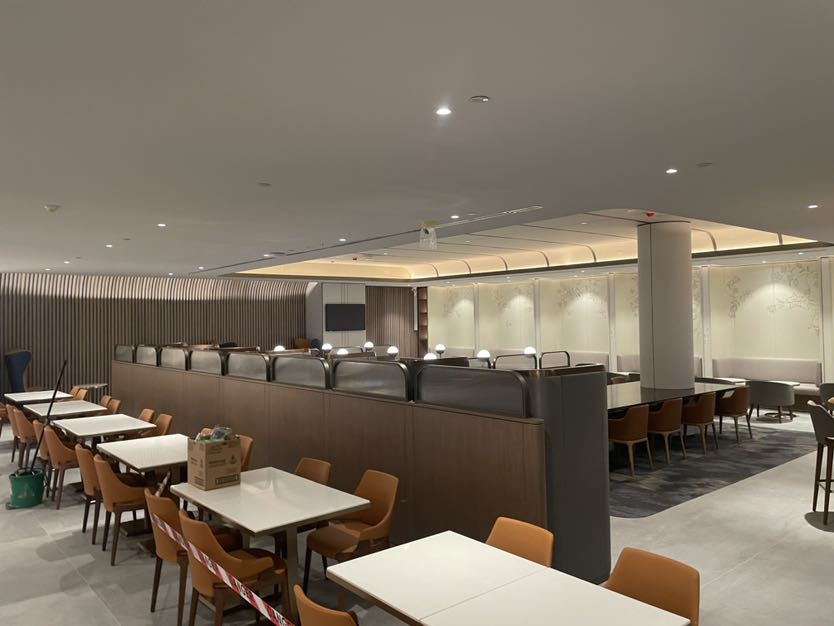
Acoustic ceiling solutions fill this gap. They do more than noise reduction. They improve speech clarity in offices, create better learning environments in schools, and make restaurants and cafes places where people actually want to spend time. For builders, offering proper acoustic ceiling installation can be a real point of difference.
Understanding Acoustic Ceiling Systems
Not all acoustic ceiling systems are created equal, and what works brilliantly in a recording studio might be completely wrong for a corporate boardroom.
Suspended Acoustic Tiles
These are the workhorses of acoustic ceiling installation. They’re cost-effective, easy to install, and offer good sound absorption. Perfect for commercial spaces, offices, and retail environments where functionality trumps aesthetics.
Acoustic Plasterboard Ceilings
These provide a more finished look while still offering sound control. They’re ideal when you want acoustic performance without the obvious “office ceiling” appearance.
Seamless Acoustic Plaster Systems
The premium option, such as BASWA Phon. These create a smooth, monolithic ceiling that looks stunning while delivering exceptional acoustic performance. They’re increasingly popular in high-end residential and commercial projects across Australia.
What to Consider Before Installation
Space Function and Noise Sources
A gym needs different acoustic treatment than a meditation studio. Identify where noise is coming from and what you’re trying to achieve. Are you blocking sound transfer between floors? Reducing echo within the space? Different goals require different solutions.
Ceiling Height and Structure
Your existing ceiling structure will influence which acoustic ceiling systems you can use. Some solutions require specific clearances or structural support. An experienced acoustic ceiling installer will assess this during the planning phase.
Aesthetic Requirements
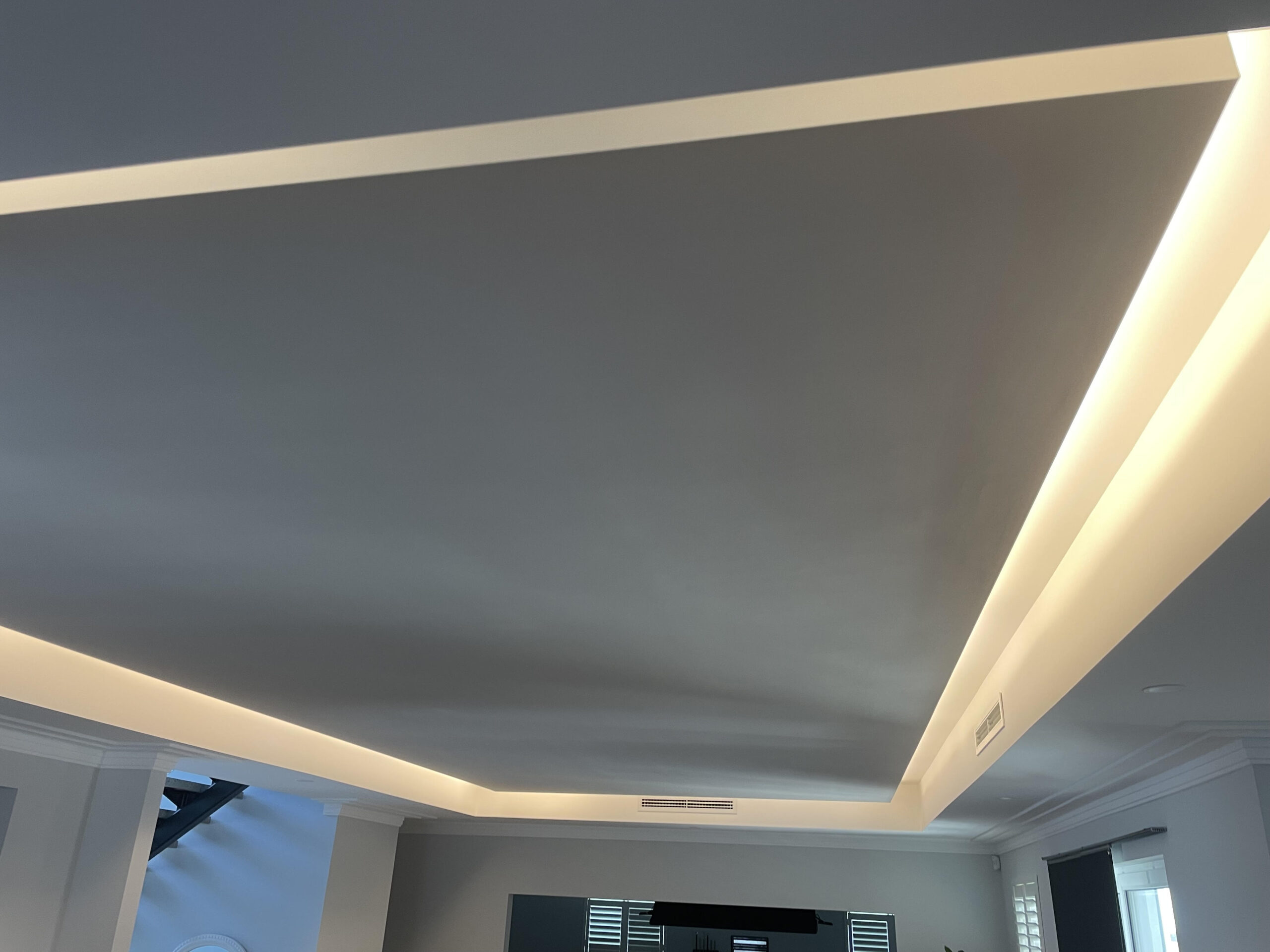
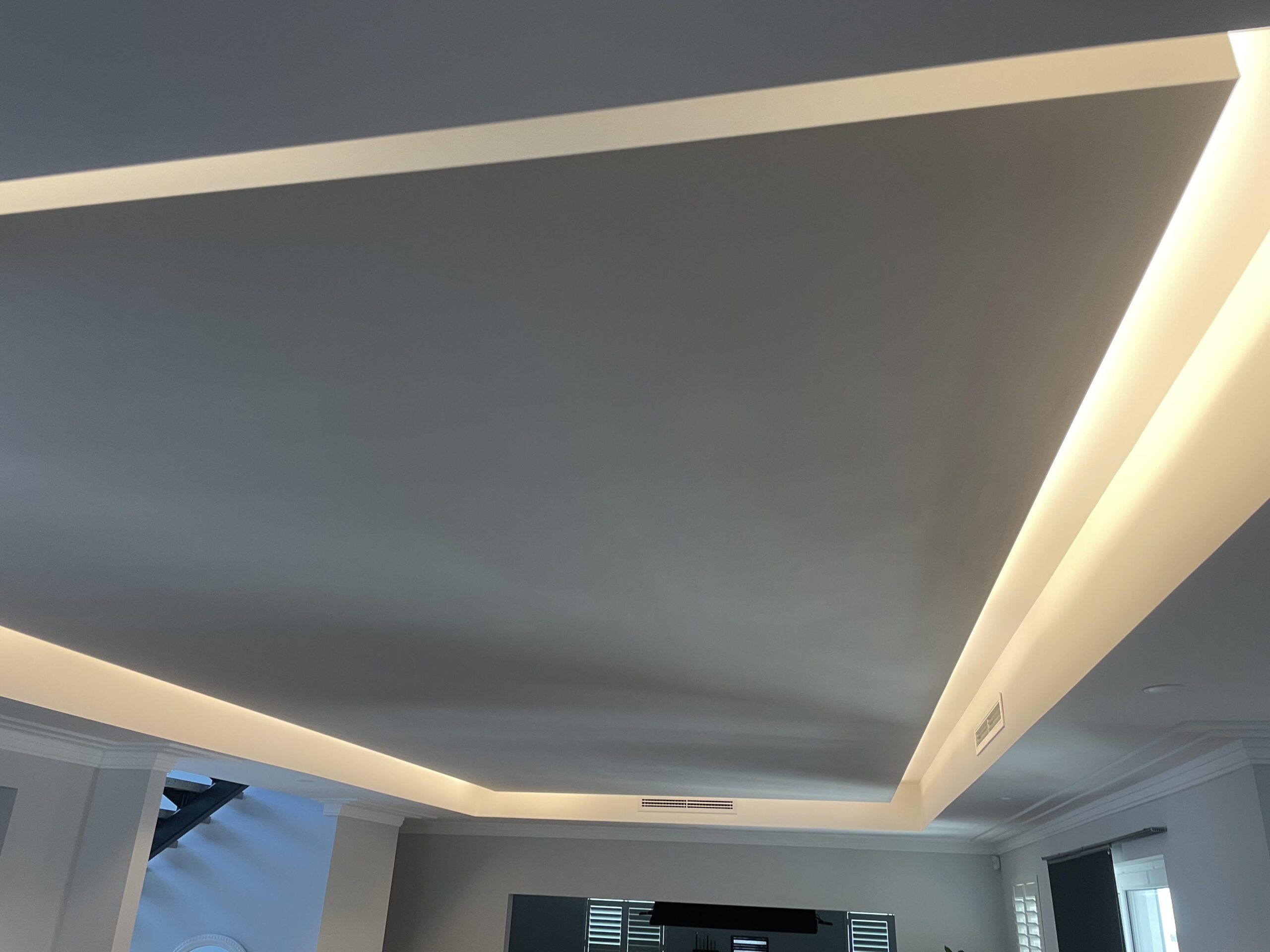
Modern acoustic ceiling solutions can be beautiful. Gone are the days when acoustic treatment meant ugly foam panels or institutional-looking tiles. Consider how the ceiling will integrate with your overall design vision.
Budget and Timeline
Quality acoustic ceiling installation is an investment, but it doesn’t have to break the bank. Different systems offer different price points, and an honest conversation with your installer about budget can help identify the best solution for your needs.
The Installation Process: What to Expect
Professional acoustic ceiling installation typically follows a systematic approach. Your installer should start with a thorough site assessment, measuring the space and identifying potential challenges such as services, lighting requirements, and structural considerations.
Next comes the planning phase, where the acoustic ceiling system is designed to meet your specific requirements. This includes determining material specifications, grid layouts, and integration with other building services.
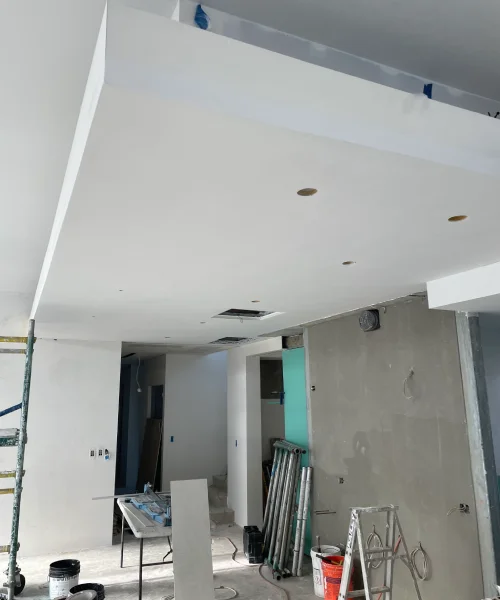
The actual installation requires precision and experience. Whether it’s suspended tiles, plasterboard, or seamless plaster, proper installation techniques are crucial for both acoustic performance and longevity.
Common Mistakes to Avoid
Many builders and homeowners underestimate the complexity of installing acoustic ceilings. Simply sticking up acoustic tiles won’t deliver professional results.
Ignoring building services is a common pitfall. Air conditioning, lighting, and fire systems must integrate seamlessly with your acoustic ceiling. Planning these together prevents costly modifications later.
Another mistake is choosing materials based solely on price. Cheap acoustic products might save money upfront, but can fail to deliver the acoustic performance you need, leading to expensive remediation down the track.
Maintenance and Longevity
One of the best things about quality acoustic ceiling systems is their durability. Most require minimal maintenance beyond occasional cleaning. Suspended tile systems offer easy access to services above the ceiling, making maintenance of building systems straightforward.
Seamless acoustic plaster systems can last decades with virtually no maintenance, making them an excellent value over the life of the building.
Finding the Right Acoustic Ceiling Installer
This is where many projects succeed or fail. An experienced acoustic ceiling installer brings more than just installation skills; they provide valuable advice on product selection, design integration, and performance optimisation.
Look for installers who can demonstrate completed projects similar to yours, understand the acoustic principles behind the products they install, and communicate clearly throughout the process.
Ready to Improve Your Space?
Whether you’re planning a new build or renovating an existing space, getting the acoustic ceiling installation right from the start saves money and headaches down the track.
At VIP Designs, we specialise in acoustic ceiling solutions that combine exceptional performance with stunning aesthetics. Our team of experienced installers has worked on projects across Australia, from intimate residential spaces to large commercial developments.
Want to discuss your project? Contact us at +61 406 011 642 and speak to our team today for expert advice on the best acoustic ceiling system for your needs. We help you create spaces that not only look great but also sound great.
FAQs
How long does acoustic ceiling installation take?
It varies significantly based on the system and space size. A commercial office might take 3-5 days, while a residential installation can often be completed in 1-2 days.
Can acoustic ceilings be installed in existing buildings?
Absolutely. Retrofit acoustic ceiling installation is common in renovations. Your installer will assess the existing structure and recommend the most suitable system.
Do acoustic ceilings require special maintenance?
Most acoustic ceiling systems require minimal maintenance. Regular dusting or occasional cleaning is typically sufficient to keep them looking and performing well.
Will acoustic ceiling installation disrupt my business?
Professional installers can often work outside business hours or stage installation to minimise disruption. Discuss your requirements upfront to plan accordingly.