Skip to content
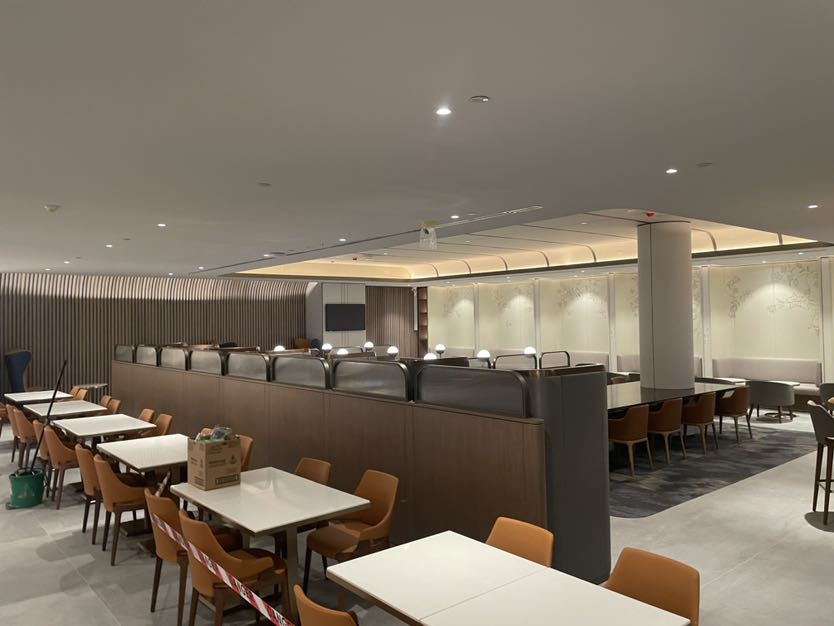
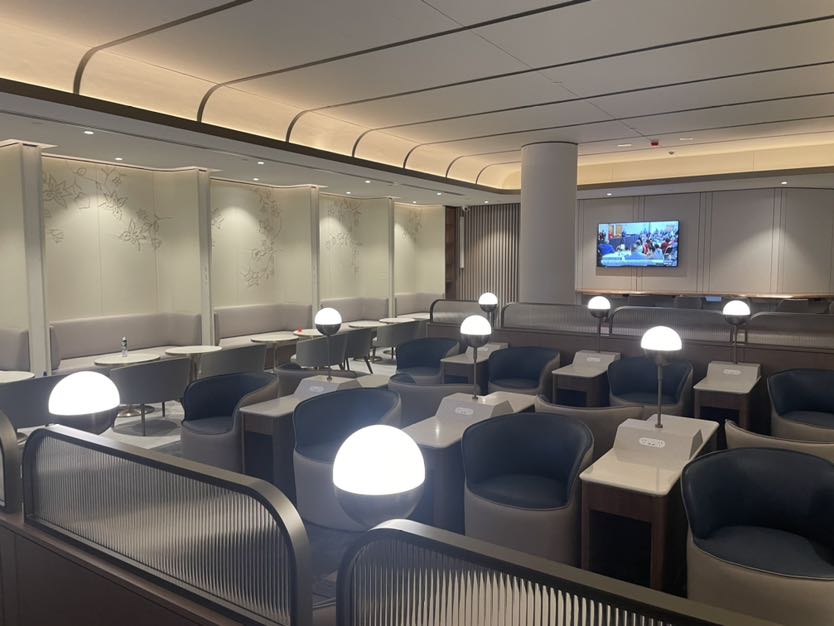
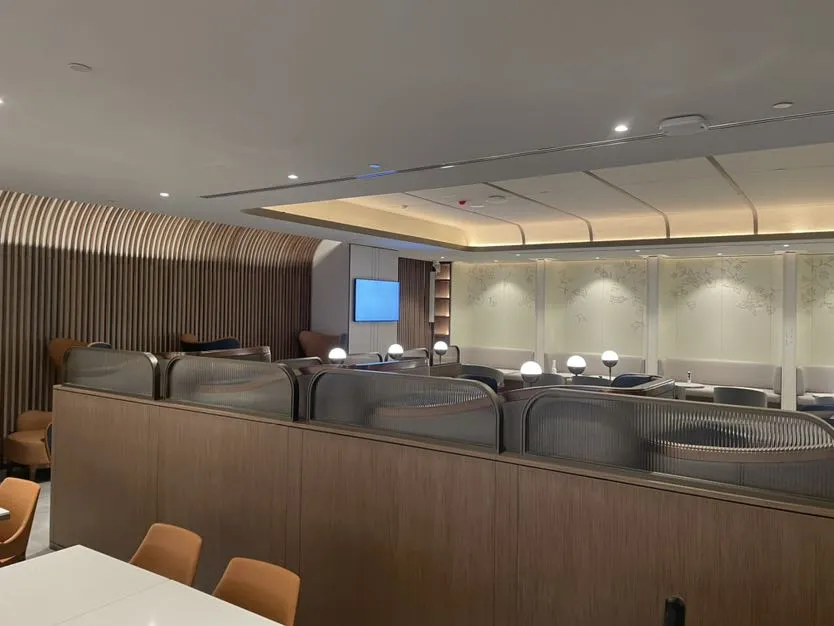
No matter how stunning a space looks, if the acoustics are poor, it promptly kills the vibe. Imagine a high-end restaurant: if you cannot hear what the person sitting across from you is saying amid the clatter of cutlery and the general hum of other diners, you won’t have a great experience there.
In the Australian context of architectural design trends, hard aesthetics such as polished concrete floors, expansive glass windows, and minimalist surfaces are popular choices. But they can be an absolute nightmare for sound.
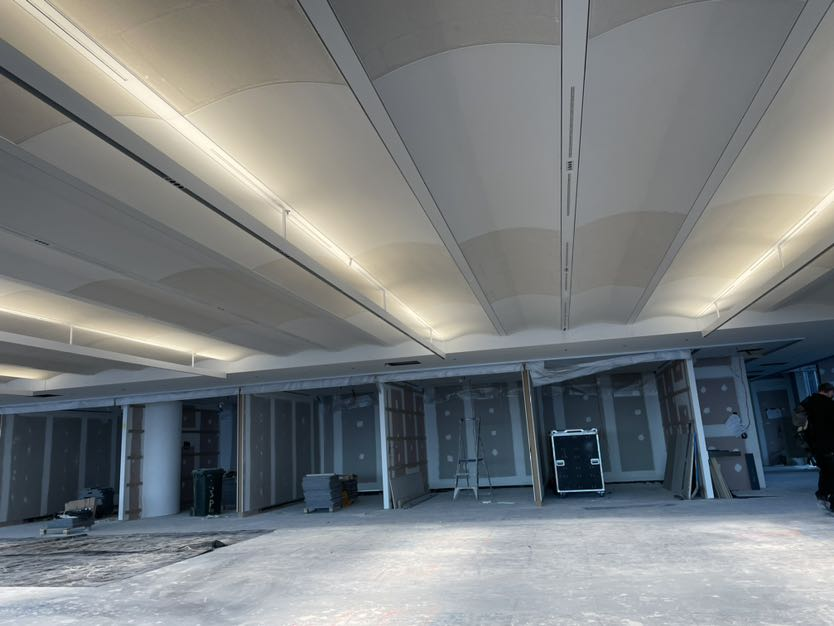
Choosing the right acoustic ceiling systems is the single most effective way to turn a “noisy box” into a comfortable, premium environment. But with so many options on the Australian market, how do you know which one suits your specific project?
This article walks you through everything you need to consider for an acoustic ceiling installation for your project.
Understanding the “Echo Chamber” Effect
In technical terms, we talk about “reverberation time.” In plain English? It’s how long sound bounces around a room before it dies away. In a standard Australian home with plasterboard walls and hard floors, sound waves hit a surface and bounce back almost instantly.
When you implement professional acoustic ceiling solutions, you are essentially installing a “giant sponge” on the ceiling. Instead of the sound bouncing back at you, it is absorbed into the material. This is vital for:
- Residential Comfort: Being able to watch a movie in the lounge while someone else chats in the kitchen without the sound bleeding everywhere.
- Commercial Productivity: Reducing “speech interference” in offices so staff can focus.
- Retail & Hospitality: Ensuring customers stay longer by creating an atmosphere that isn’t physically draining.
Key Types of Acoustic Ceiling Systems in Australia
1. Seamless Acoustic Plaster (The Gold Standard)
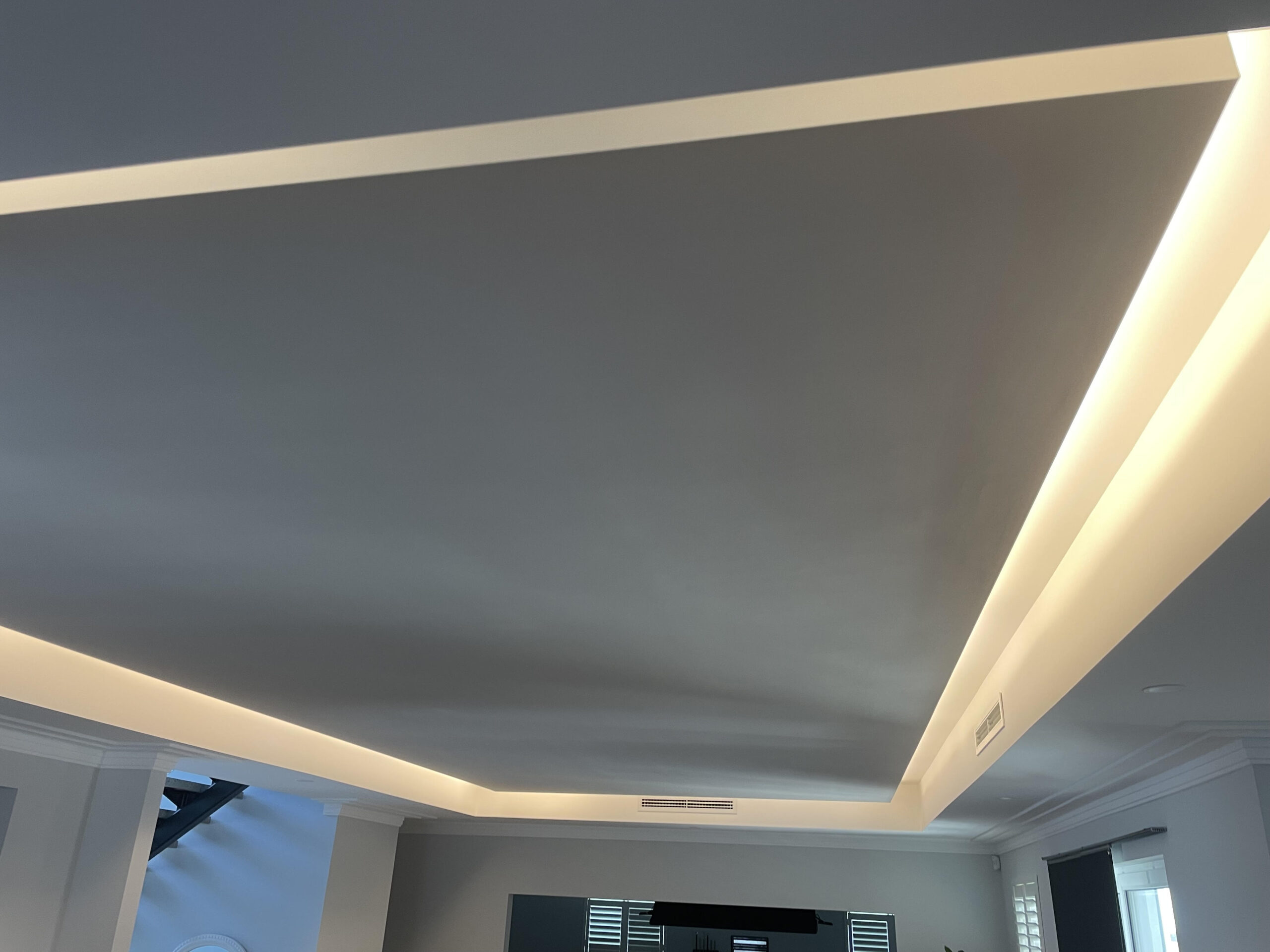
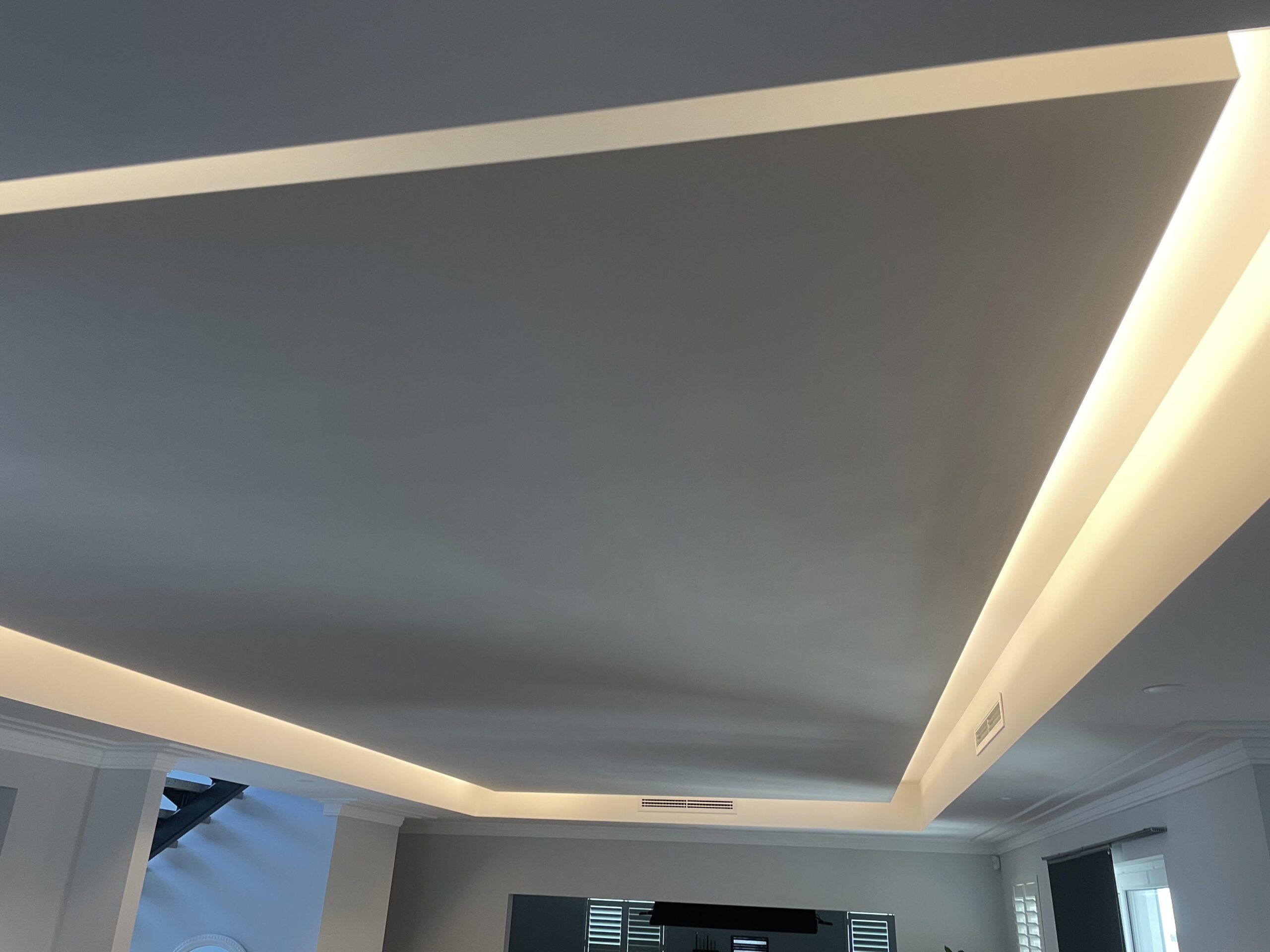
If you are working on a luxury residential build or a high-end gallery, you probably don’t want to see grids, holes, or tiles. This is where seamless acoustic plaster shines. It looks exactly like a standard, smooth white ceiling, but it is engineered to be sound-absorbent. At VIP Designs, we often recommend this for clients who refuse to compromise on aesthetics but need world-class ceiling acoustic treatment.
2. Perforated Plasterboard
Commonly seen in schools, hospitals, and large office hubs, perforated plasterboard features tiny holes (round, square, or slotted) that allow sound to pass through into an acoustic backing. It offers a distinct “industrial” or “geometric” look that can be used as a design feature in itself.
3. Acoustic Clouds and Baffles
For retrofitting an existing space, such as a converted warehouse in Richmond or a trendy cafe, baffles are a lifesaver. These are panels that hang vertically or horizontally from the ceiling. They are fantastic for “spot-treating” noisy areas without a full ceiling renovation.
The Technical Bits: What is an NRC Rating?
When you start looking at acoustic ceiling installation, you’ll see a number called the NRC (Noise Reduction Coefficient).
Think of the NRC as a scale from 0 to 1:
- 0.0 NRC: The material reflects all sound (like a standard brick wall).
- 1.0 NRC: The material absorbs 100% of the sound that hits it.
For a standard office or living area, you’re usually looking for a system with an NRC between 0.70 and 0.90. Anything less might not be enough to handle the “drone” of a busy household or workplace.
Important Considerations for Australian Projects
The Aussie Climate and Durability
Whether you’re in the humidity of Queensland or dealing with the “four seasons in one day” in Melbourne, your ceiling needs to be stable. Cheap acoustic tiles can sag over time if the humidity gets too high. High-quality acoustic ceiling systems are moisture-resistant and designed to keep their shape for decades, not just years.
Integration with Services
Your ceiling isn’t just there to look pretty; it’s a highway for your home’s “organs.” You have to consider:
- Lighting: How will downlights or pendant lights sit within the acoustic material?
- HVAC: Air conditioning vents need to be integrated without creating “leaks” that allow sound to escape.
- Fire Safety: Any system installed in an Australian commercial building must comply with the NCC (National Construction Code) fire hazard properties.
The Installation Process
A common mistake is thinking acoustic ceiling installation is a simple DIY job. These are specialised materials, and the way they are mounted, and how much “air gap” is left behind the panel, actually affect how well they work. A 50mm gap might absorb high-pitched noises, while a 200mm gap is better for low-frequency thuds.
A professional installer like VIP Designs ensures the system is tuned to the specific frequency of noise you’re trying to kill.
Making the Right Choice for Your Space
At the end of the day, the “best” system is the one that disappears. You shouldn’t notice an acoustic ceiling; you should notice how easy it is to have a conversation, how crisp your music sounds, and how peaceful your home feels after a long day.
Whether you are an architect looking for a sleek finish or a homeowner tired of the “clatter” of modern living, choosing the right acoustic ceiling solutions will be the best decision you make for your build.
Transform Your Space with VIP Designs
Don’t let poor acoustics ruin a beautiful design. At VIP Designs, we specialise in the supply and installation of premium acoustic ceiling systems across Australia. We bridge the gap between technical performance and high-end luxury.
Call us at +61 406 011 642 and discuss your project today!
FAQs: Everything You Need to Know
Is there a difference between soundproofing and sound absorption?
Yes! This is the biggest misconception in the industry. Soundproofing (Insulation) is about stopping sound from travelling between rooms. Sound absorption (Acoustic Treatment) is about stopping echoes inside a room. Most ceiling systems focus on absorption, though they do help slightly with transmission.
Can I install acoustic ceilings in a kitchen or bathroom?
You can, but you need to choose a system that is specifically rated for high moisture and “hygiene” (easy to wipe down). Seamless plaster systems are often preferred here as they don’t have nooks and crannies for steam to settle in.
How much does a professional acoustic ceiling cost?
It varies based on the “finish.” A basic perforated board is more budget-friendly, while a premium seamless acoustic plaster system is an investment in the property’s value as well as comfort. It’s best to get a quote tailored to your floor plan.
Do these systems require maintenance?
Generally, very little. High-quality systems are anti-static (so they don’t attract dust) and can be vacuumed with a soft brush attachment once a year to keep them looking fresh.