Skip to content
When you decide to tackle a noise problem, the sheer number of acoustic solutions in Australia can feel a bit overwhelming. From the “egg-carton” foam you might remember from a garage band to high-tech, Swiss-engineered plasters, the market is flooded with options. But here’s the thing: not all acoustic materials are created equal, and the “best” one depends entirely on what you’re trying to achieve.
Are you trying to stop your neighbour’s barking dog (soundproofing)? Or are you trying to stop the echo in your own open-plan living room so you can hear the TV (sound absorption)?
At VIP Designs, we believe the key to a successful project is matching the right material to the right problem. Here’s our expert guide to picking the right acoustic treatment in Australia.
1. Acoustic Plaster: The High-End Hybrid
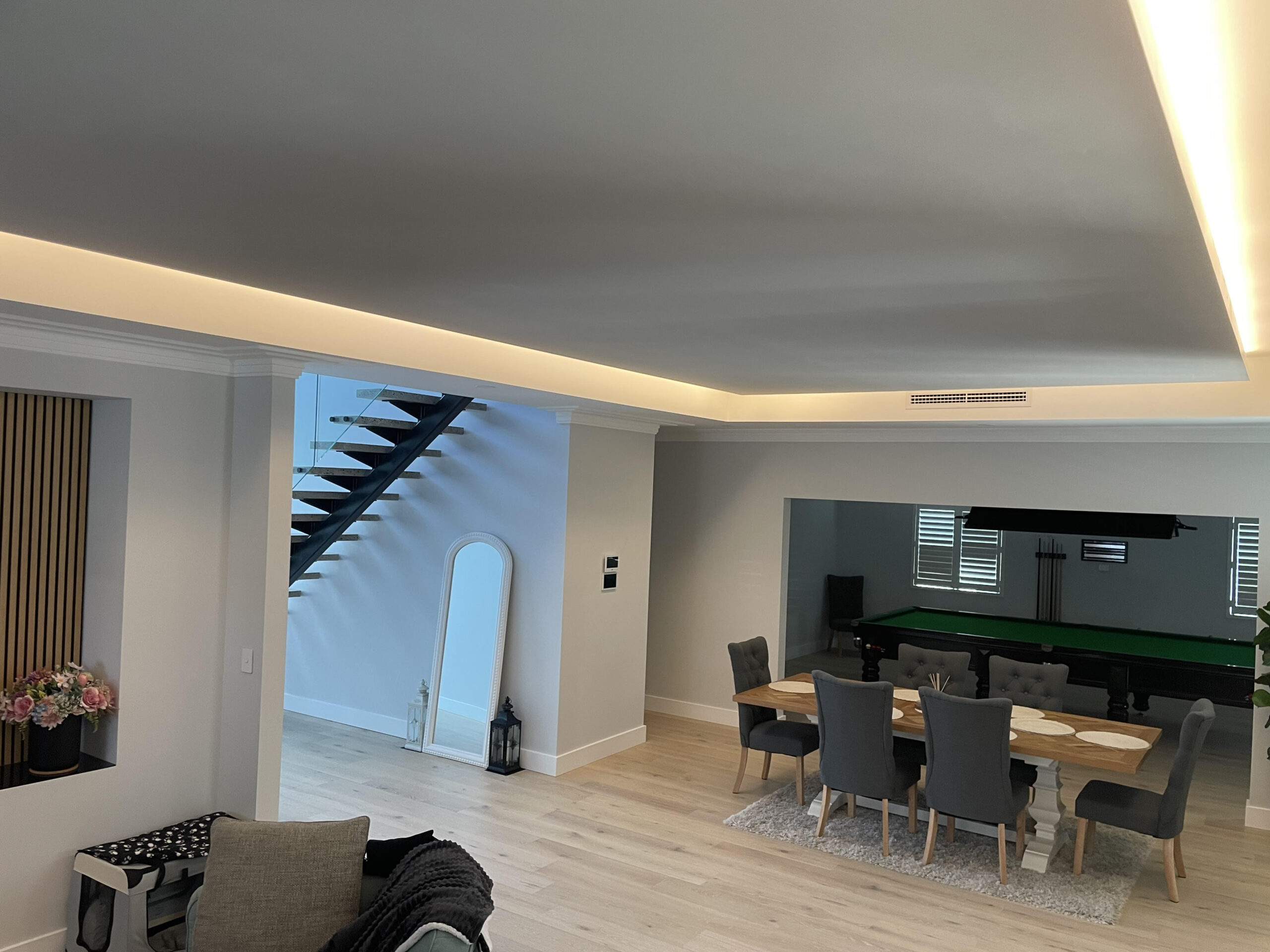
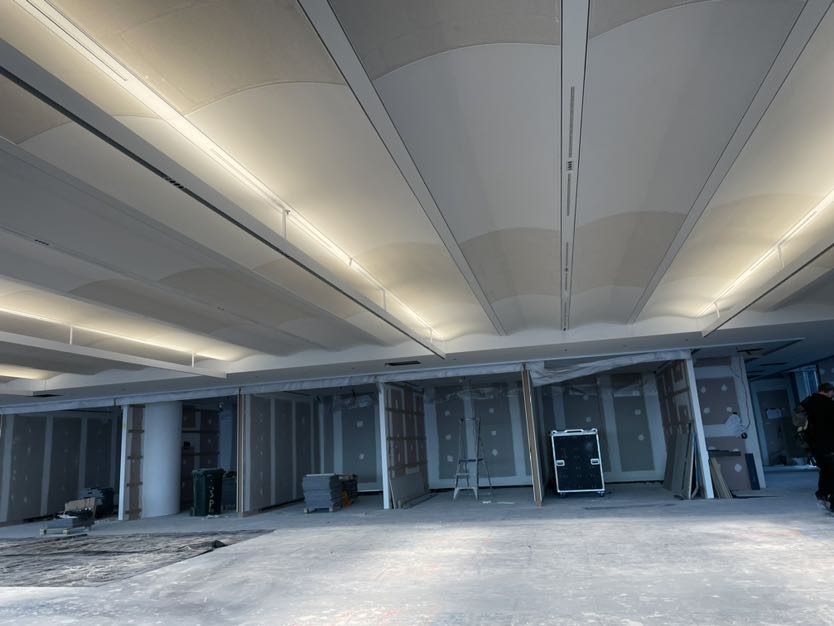
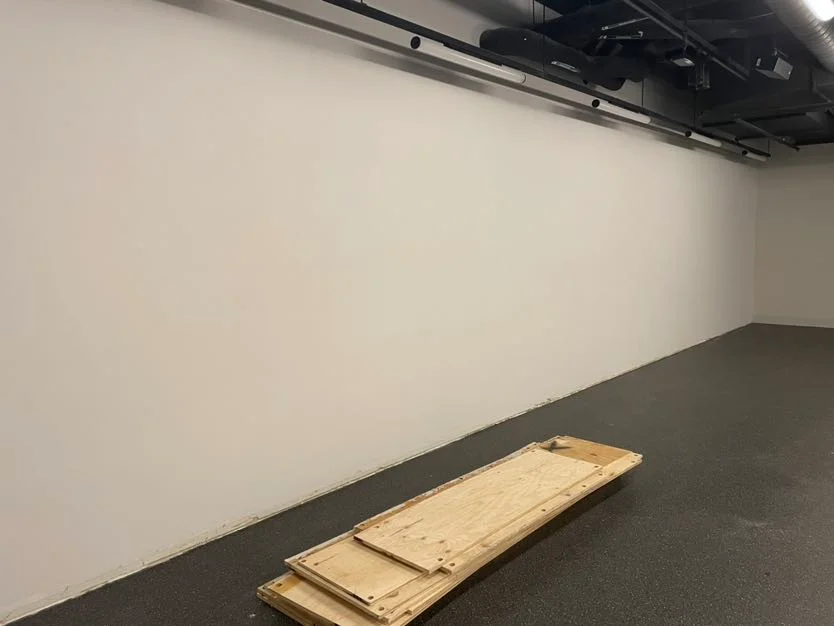
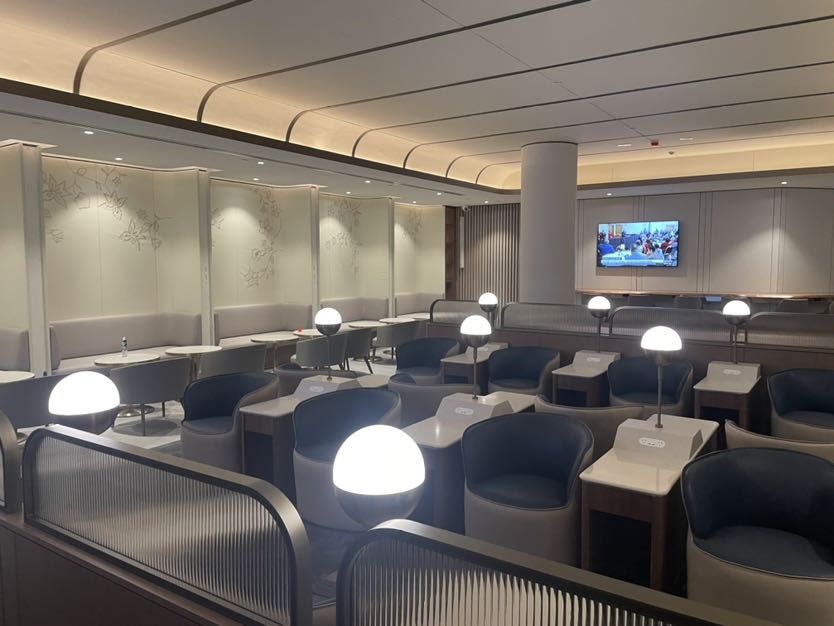
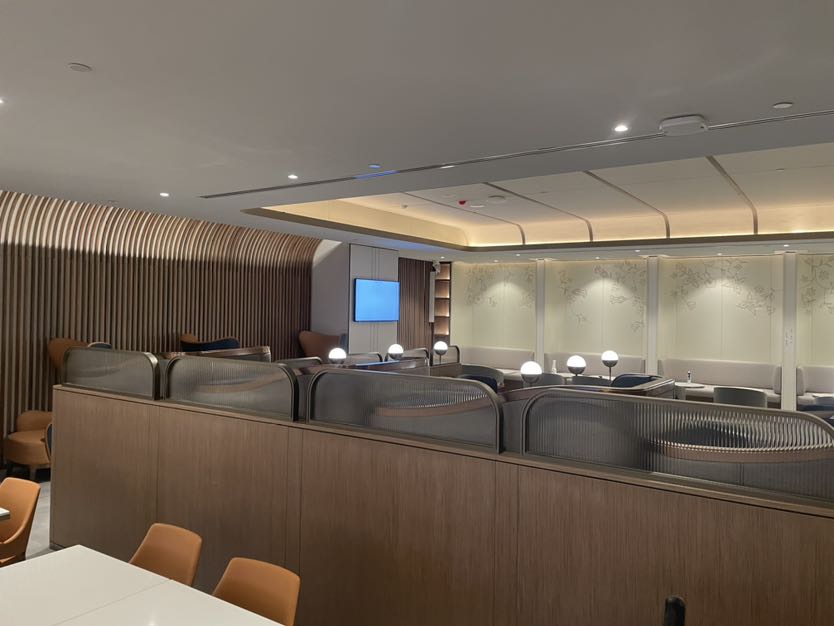
If you are looking for a solution that provides world-class performance without changing the look of your room, acoustic plaster is the gold standard.
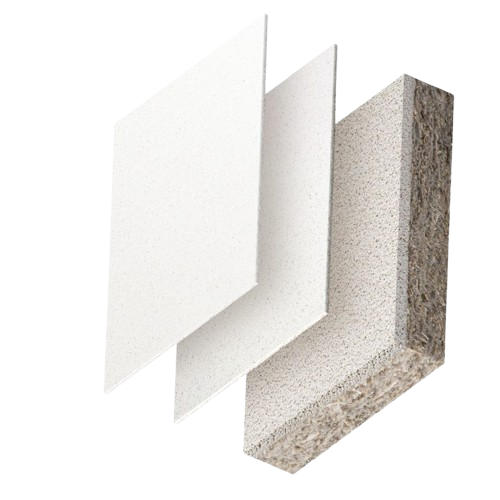
- How it works: It’s a multi-layered system, usually involving a porous mineral board topped with a specialised, breathable plaster finish made from materials like marble sand.
- Best for: Luxury homes, art galleries, and premium boardrooms.
- The Aussie Perk: It’s perfect for our minimalist design aesthetic. You get the acoustic benefits of a studio but the sleek, smooth finish of a high-end Melbourne penthouse.
2. Polyester (PET) Panels: The Eco-Friendly All-Rounder
Polyester panels have recently exploded in popularity across Australia, especially in commercial fit-outs and home offices.
- How it works: These are made from compressed polyester fibres (often recycled PET bottles). They are lightweight, non-toxic, and “itch-free.”
- Best for: Schools, funky office spaces, and home studios.
- The Aussie Perk: They are incredibly durable and resistant to the humidity we face in the northern states. Plus, they come in dozens of colours and can be cut into custom shapes or even printed with local artwork.
3. Acoustic Plasterboard: The Structural Workhorse
Commonly known as “sound-rated gyprock,” products like Gyprock Soundchek™ are a staple of acoustic ceilings Australia-wide.
- How it works: These boards are much denser than standard plasterboard, which helps block sound from travelling between rooms.
- Best for: Media rooms, bedrooms, and dividing walls in multi-residential apartments.
- The Aussie Perk: It’s a cost-effective way to meet the National Construction Code (NCC) requirements for sound insulation while staying within a traditional building workflow.
4. Timber Slat Systems: The Designer’s Choice
Beautiful timber slats with a black fabric backing. You’ve likely seen these in trendy cafes or modern hotel lobbies.
- How it works: The timber slats “diffuse” (scatter) sound, while the acoustic felt backing “absorbs” it.
- Best for: Feature walls, entry foyers, and restaurants.
- The Aussie Perk: It brings a natural, “Biophilic” warmth to a space, balancing the coldness of concrete and glass often used in Australian architecture.
Factors to Consider Before You Buy
Absorption (NRC) vs. Insulation (Rw)
This is where most people get tripped up.
- NRC (Noise Reduction Coefficient): Measures how much sound is absorbed inside the room. Look for this if you have an echo problem.
- Rw (Weighted Sound Reduction Index): Measures how much sound is blocked from entering or leaving a room. Look for this if you have a “noisy neighbour” problem.
Fire Safety Ratings
In Australia, any material used in a commercial building must meet strict fire-hazard requirements (typically Group 1 or Group 2 ratings). Never buy “cheap” acoustic foam online that doesn’t clearly state it meets AS 5637.1 standards. Your safety (and your insurance policy) depends on it.
Sustainability
As we move toward “Green Star” rated buildings, choosing recycled materials like PET or natural mineral-based acoustic plaster isn’t just good for the planet; it’s good for your property value.
Comparison: Which Material Suits Your Space?
| Space Type | Recommended Material | Primary Goal |
| Luxury Living Room | Seamless Acoustic Plaster | Hidden performance / Echo reduction |
| Home Theatre | Acoustic Plasterboard + PET | Sound blocking + internal clarity |
| Boutique Cafe | Timber Slat Panels | Aesthetics + dampening “clatter” |
| CBD Office | PET Baffles or Acoustic Tiles | Productivity / Privacy |
Get the Right Advice with VIP Designs
Picking the right material is only half the battle. The way it’s installed determines whether it actually works. A 10mm gap in a sound-rated wall can reduce its effectiveness by up to 50%!
At VIP Designs, we don’t just provide materials; we provide peace of mind. Our team understands the nuances of the Australian building landscape and can help you choose a solution that fits your budget, building codes, and style.
Contact VIP Designs at +61 406 011 642 for an expert material consultation today!
FAQs: Expert Advice from the Field
Can I just use heavy curtains instead of acoustic panels?
Curtains help a little with high-frequency “zing,” but they won’t touch mid- or low-frequency noise. They are a great addition to an acoustic system, but rarely a replacement for it.
Is acoustic plaster harder to repair than standard plaster?
It requires a bit more finesse. Because the surface is porous, you can’t just use a standard hardware-store filler. You’ll need a bit of the original acoustic finish to ensure the repair remains invisible and the sound-absorbing properties stay intact.
Why shouldn’t I use egg-crate foam?
Aside from looking like a 1980s basement, standard foam is often a major fire risk and degrades into “dust” over time. Modern acoustic solutions in Australia are far safer, more effective, and much easier on the eyes.