Skip to content

There’s a world of difference between an acoustic ceiling installation that looks good and an installation that actually performs. You can use the best acoustic ceiling systems available, specify premium materials, and follow manufacturer guidelines. But if the installation isn’t executed properly, you won’t achieve the acoustic performance you’re paying for.
Professional acoustic ceiling installers understand this distinction intimately. They know that small details, such as precise measurements, proper sealing, and correct fixing methods, separate effective acoustic treatment from expensive disappointment.
So what exactly do experienced installers do differently? And how can you ensure your acoustic ceiling installation delivers the performance your project deserves?
The Foundation: Proper Assessment
Quality acoustic ceiling installation begins well before anyone picks up tools. Experienced acoustic ceiling installers start with a thorough site assessment, understanding what they’re working with and what challenges might arise.
They measure carefully, not just floor area but ceiling heights, level variations, and structural considerations. They identify services that need accommodation, such as air conditioning, electrical, fire protection, and communications. They note potential complications, including columns, beams, changes in ceiling plane.
This assessment phase informs every subsequent decision. Rushing this stage or assuming site conditions almost always leads to problems during installation.
Professional installers also clarify acoustic goals. Are you primarily reducing echo within the space? Blocking sound transmission to adjacent areas? Managing specific frequency problems? Different goals require different installation approaches, even with the same acoustic ceiling systems.
Material Selection and Specification
Experienced acoustic ceiling installers don’t just install what they’re given. They help specify appropriate materials for the application.
They understand that manufacturers’ acoustic ratings are achieved under laboratory conditions. Real-world performance depends on proper installation and the specific environment. An acoustic ceiling system rated NRC 0.85 in testing might deliver NRC 0.60 or worse if poorly installed or inappropriate for the application.
Professional installers consider factors beyond acoustic ratings, such as environmental durability, maintenance requirements, integration with other building systems, and realistic budget-to-performance ratios.
They’re honest about limitations. If you’re asking for unrealistic acoustic performance or inappropriate materials for the conditions, experienced installers tell you upfront rather than promising results they can’t deliver.
Structural Preparation
The substrate matters enormously. Acoustic ceiling installation performance depends significantly on what sits behind the visible surfaces.
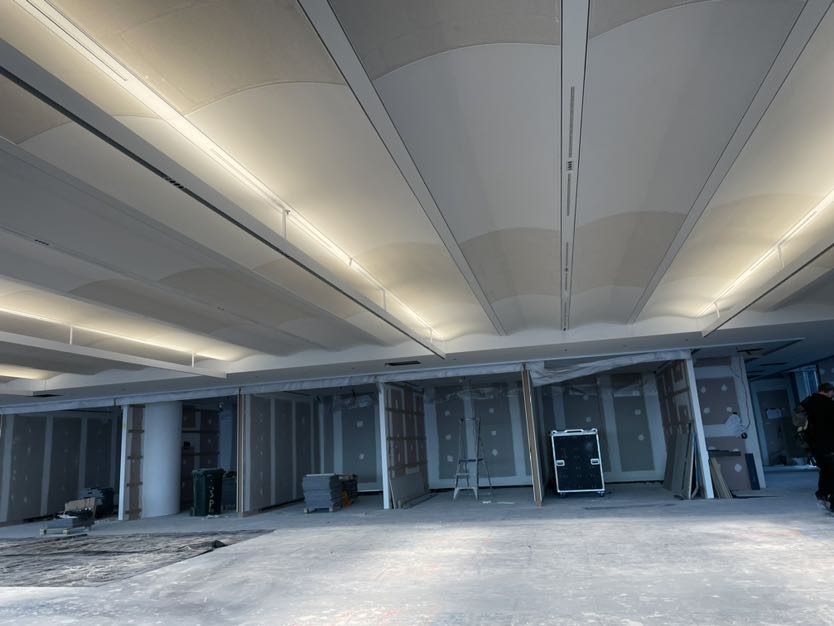
For suspended acoustic ceiling systems, proper grid installation is fundamental. The suspension system must be level, adequately supported, and correctly spaced. Sagging ceilings don’t just look terrible; they affect acoustic performance by creating gaps and inconsistent air spaces.
Professional acoustic ceiling installers use laser levels and precision measurement rather than eyeballing alignment. They understand load calculations and ensure adequate structural support for ceiling weight plus any additional loads from lighting or services.
For direct-fixed acoustic ceiling solutions like plasterboard or plaster systems, substrate preparation is critical. Any imperfections telegraph through to finished surfaces. Proper substrate selection, fixing, and sealing create the foundation for premium results.
The Details That Matter
Airtight Sealing
Sound loves to find gaps. Even tiny openings significantly compromise acoustic performance. Professional acoustic ceiling installers obsess over sealing, including acoustic caulking at perimeters, proper treatment around penetrations, and careful attention to junctions with walls and other building elements.
Amateur installations often neglect sealing or use inappropriate materials. Acoustic caulking isn’t regular caulking; it remains flexible to accommodate building movement while maintaining an acoustic seal. Using the wrong products undermines performance regardless of how good the core acoustic ceiling systems are.
Proper Clearances
Many acoustic ceiling solutions require specific air spaces or clearances for optimal performance. Suspended systems need adequate plenum depth; cramming them too close to the structure above reduces acoustic effectiveness.
Experienced installers understand these requirements and incorporate them into their planning. If clearances can’t be achieved, they adjust specifications rather than compromising performance.
Integration with Services
Lighting, air conditioning, sprinklers, and speakers all penetrate the acoustic ceiling installation. Each penetration is a potential weak point in acoustic performance.
Professional installers coordinate with other trades to ensure services are properly positioned and integrated. Downlights get acoustic housings. Air vents receive appropriate sealing. Sprinkler penetrations are acoustically treated.
This coordination prevents acoustic flanking, i.e., sound bypassing the acoustic treatment through service penetrations. It’s one of the most common failures in otherwise well-installed acoustic ceiling systems.
Correct Fixing Methods
Every acoustic material has specific fixing requirements. Use the wrong fasteners, incorrect spacing, or inappropriate techniques, and performance suffers even with premium materials.
Professional acoustic ceiling installers follow manufacturer specifications precisely, not because they’re rule followers but because those specifications determine acoustic performance. Shortcuts might save time, but cost performance.
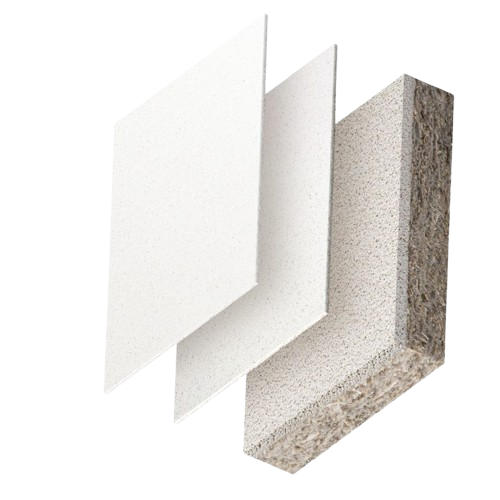
For acoustic plasterboard, proper fixing patterns and screw spacing ensure the board works as designed. For seamless acoustic plaster systems, correct substrate attachment and layer build-up create the system’s acoustic properties.
Installation Sequence and Timing
Acoustic ceiling installation must happen at the right project stage. Install too early, and subsequent trades can damage or contaminate the system. Install too late, and you can’t properly integrate with other building elements.
Experienced acoustic ceiling installers coordinate timing with other trades. For suspended systems, structural elements, and services above must be complete and tested before ceiling installation. For seamless systems requiring multiple coats or curing time, realistic scheduling prevents rushing that compromises quality.
They also understand optimal environmental conditions. Acoustic plaster systems require appropriate temperature and humidity for proper curing. Installing in extreme conditions affects long-term performance and appearance.
Quality Control Throughout
Professional installers check their work continuously rather than discovering problems at completion. They verify measurements frequently, check the level regularly, and test components before covering them.
For acoustic ceiling systems where performance can’t be visually assessed, particularly sound blocking applications, they use appropriate testing equipment to verify results. Relying solely on visual inspection misses hidden problems.
They document the installation and photograph critical details before they’re covered. This documentation proves proper installation and provides a reference for future maintenance or modifications.
Problem-Solving During Installation
Even with perfect planning, installation challenges arise. Structural variations, service conflicts, design changes: problems happen on real projects.
Experienced acoustic ceiling installers solve problems without compromising acoustic performance. They understand acoustic principles well enough to adapt intelligently rather than simply following instructions.
When they encounter situations outside their experience, they consult with acoustic consultants or manufacturers rather than improvising solutions that might compromise performance.
Post-Installation Verification
Installation isn’t finished when the last tile is placed or the final coat cured. Professional installers verify their work systematically.
They check visual quality, including alignment, finish consistency, and proper integration with architectural elements. They verify functionality, ensuring access panels work, lighting integrates correctly, and services function properly.
For critical applications, they support acoustic testing, providing documentation of construction details that affect test results.
Maintenance Planning
Quality acoustic ceiling installers educate clients on proper maintenance. They explain what can and can’t be done to the acoustic ceiling systems they’ve installed, how to properly clean the materials, and how to address minor damage.
They provide documentation, including product information, acoustic specifications, and maintenance requirements. This information proves invaluable when modifications are needed years later.
The Value of Experience
You can teach someone to install acoustic tiles in a day. But teaching them to install acoustic ceiling solutions that consistently deliver specified acoustic performance takes years.
Experienced acoustic ceiling installers have encountered dozens of building types and hundreds of acoustic challenges, and have learned from both successes and failures. This experience informs their approach to every project.
They recognise warning signs of potential problems. They know which corners can be cut without consequence and which details are absolutely critical. They understand how different acoustic ceiling systems perform in real buildings, not just manufacturer brochures.
How to Identify Quality Installers
When selecting acoustic ceiling installers, look beyond basic qualifications and insurance.
Ask about their experience with the specific acoustic ceiling systems you’re considering. Seamless acoustic plaster installation requires entirely different skills than from suspended tile systems.
Request examples of completed projects similar to yours. Photos are good, but better still is speaking with previous clients about the actual acoustic performance achieved.
Understand their approach to problem-solving and quality control. Do they describe systematic processes or seem to improvise? Do they discuss testing and verification or assume visual inspection is sufficient?
Professional installers should explain how they ensure acoustic performance, not just how they install materials. If their focus is purely on speed and appearance, they might not understand the acoustic principles that determine success.
Ensuring Your Project Success
Acoustic ceiling installation is where acoustic theory meets real-world results. Specifications and materials matter, but installation quality ultimately determines whether your acoustic ceiling solutions deliver the performance your project requires.
Working with experienced acoustic ceiling installers isn’t an unnecessary expense; it’s the only way to ensure the acoustic performance you’ve specified is the acoustic performance you actually achieve.
At VIP Designs, our acoustic ceiling installers bring decades of combined experience to every project. We’ve installed everything from basic suspended systems to complex seamless acoustic plaster in buildings from heritage homes to modern commercial developments across Australia.
We don’t just install acoustic ceiling systems; we ensure they perform. Through proper assessment, meticulous installation, and comprehensive quality control, we deliver acoustic results you can measure and hear.
Planning an acoustic ceiling installation project?
Contact VIP Designs to discuss how our experienced installers will ensure your acoustic ceiling solutions deliver the perfect sound performance your space deserves. Our team will help you achieve genuine acoustic improvement, not just attractive ceilings that don’t perform.
Call us at +61 406 011 642 to speak to our team and discuss your project requirements.
FAQs
Do all installers achieve the same acoustic performance?
No. While using the same materials, different installers can achieve significantly different acoustic results based on attention to detail, proper sealing, and correct installation techniques.
How can I verify acoustic ceiling installation quality?
For critical applications, commission post-installation acoustic testing by independent consultants. For less critical spaces, rely on experienced installers with documented track records.
Is cheaper installation a false economy?
Often yes. If poor installation results in acoustic ceiling systems not performing as specified, the entire investment is wasted. Quality installation ensures you get the performance you’re paying for.
What should I expect during professional acoustic ceiling installation?
Thorough preparation, careful coordination with other trades, systematic quality checks, and clear communication about progress and any challenges encountered.