Skip to content

Sustainability is no longer an optional feature in modern construction—it’s an expectation. Architects, builders, and property developers across Australia are prioritising eco-friendly materials, energy efficiency, and environmentally responsible design in both residential and commercial buildings.
One critical, yet often overlooked, aspect of sustainable building is acoustic performance. Noise control is essential for occupant comfort, productivity, and wellbeing. Modern acoustic solutions Australia, including acoustic plaster and acoustic ceilings, offer a sustainable way to manage sound while aligning with eco-friendly design principles.
Why Acoustic Performance is Vital in Green Buildings
A well-designed building should support both environmental sustainability and human comfort. Poor acoustic performance can lead to distractions, stress, and reduced productivity, negating the benefits of other green design choices.
Acoustic treatment Australia provides practical solutions for managing noise in commercial offices, educational facilities, healthcare environments, and residential developments. By incorporating effective sound absorption into walls and ceilings, sustainable buildings create spaces that are not only environmentally conscious but also comfortable and functional.
Sustainable Materials in Acoustic Design
Traditional acoustic solutions, such as heavy panels or synthetic materials, can sometimes contradict eco-friendly goals. Modern acoustic plaster and ceiling systems, however, are designed with sustainability in mind.
Many products use:
- Recycled materials: Reducing waste and lowering environmental impact.
- Low-VOC coatings: Ensuring healthier indoor air quality for occupants.
- Durable construction: Minimising the need for frequent replacement or maintenance.
By choosing sustainable materials, developers can achieve superior acoustic performance without compromising environmental responsibility.
How Acoustic Ceilings Enhance Eco-Friendly Buildings
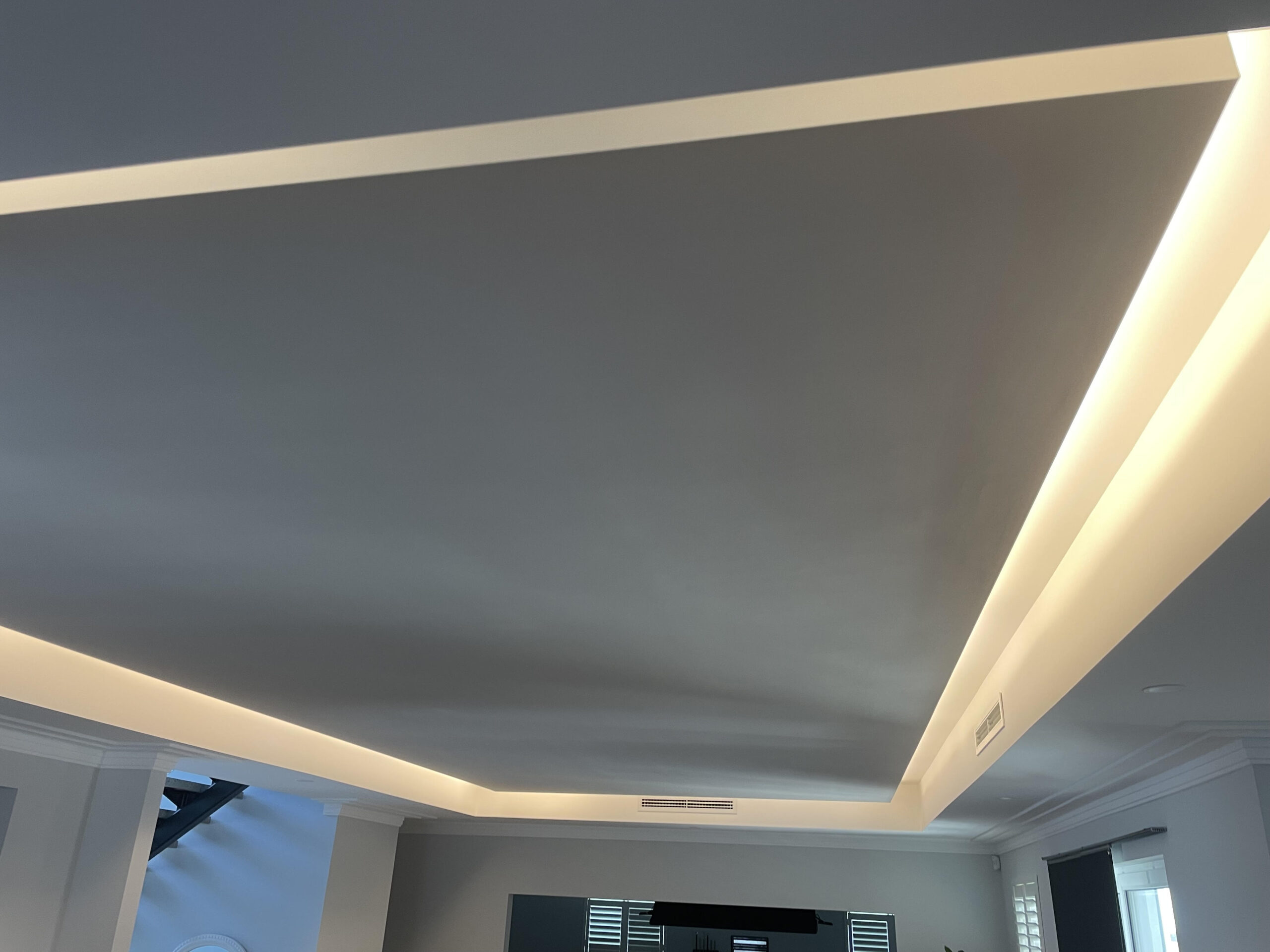
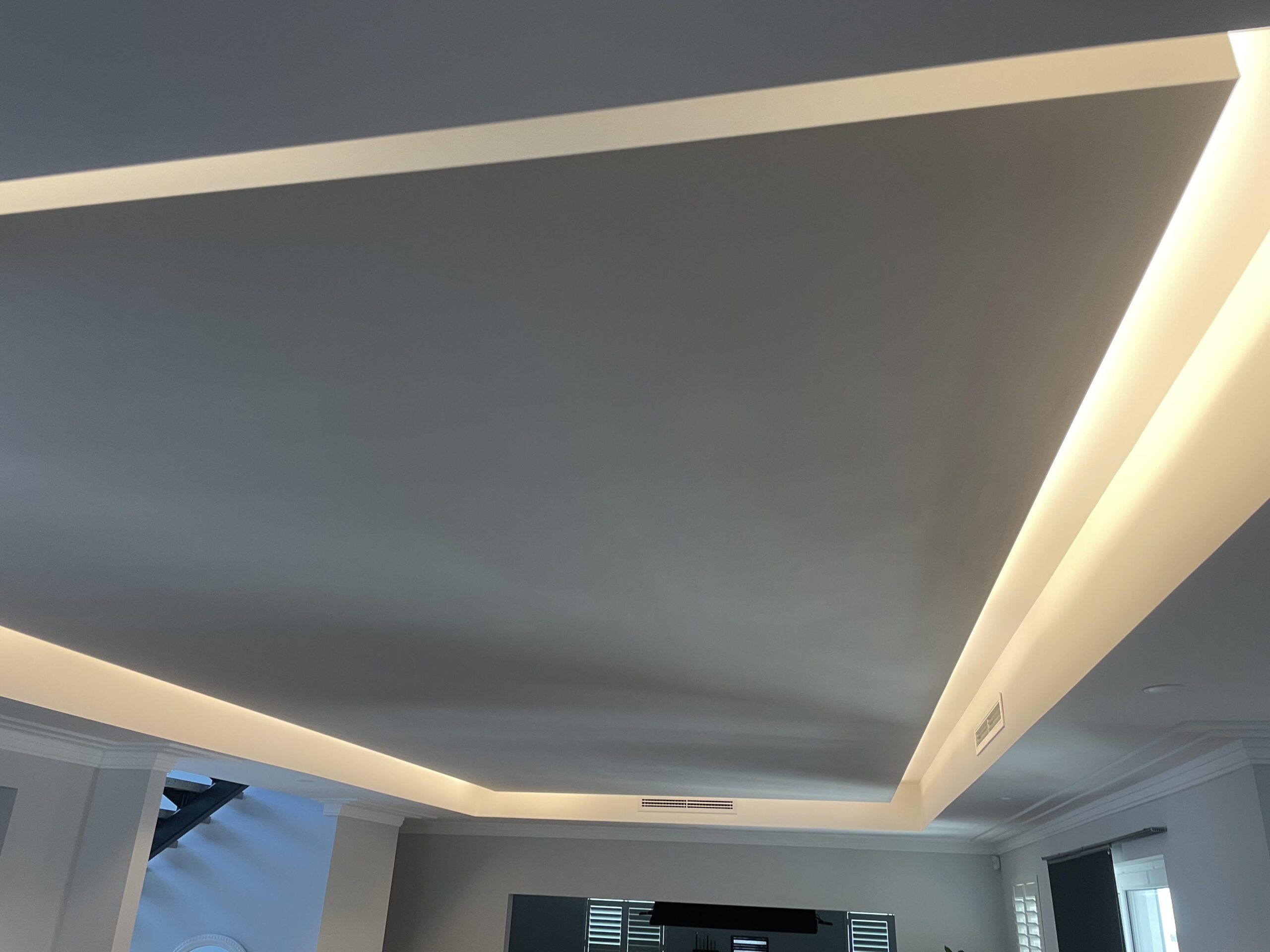
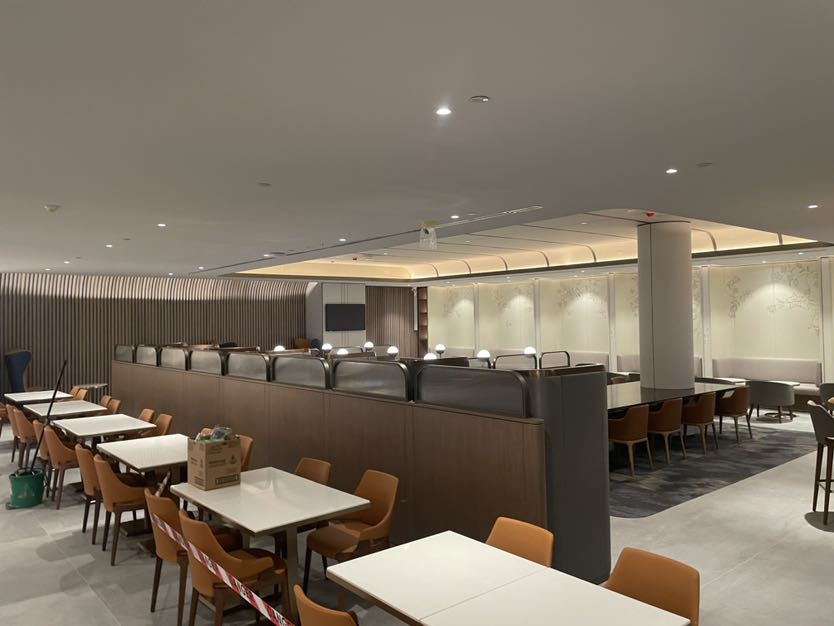
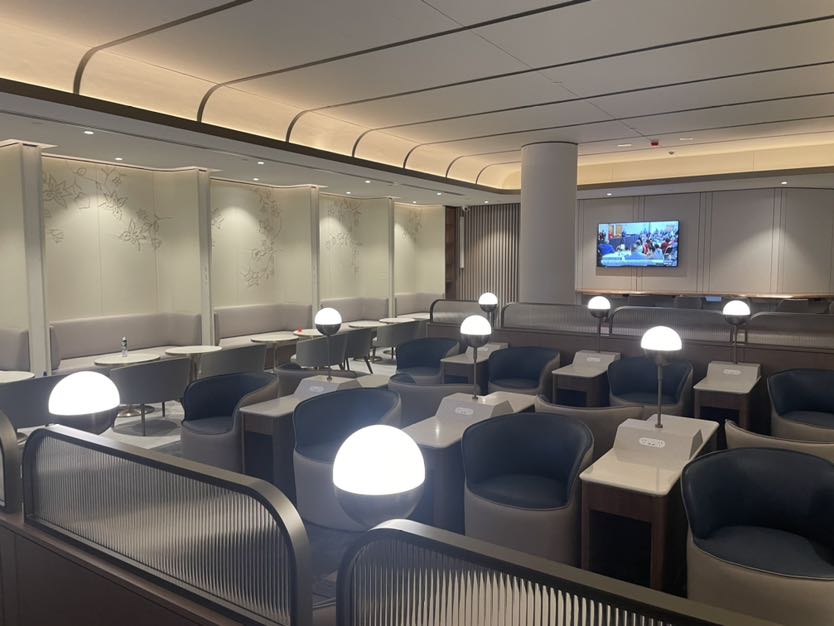
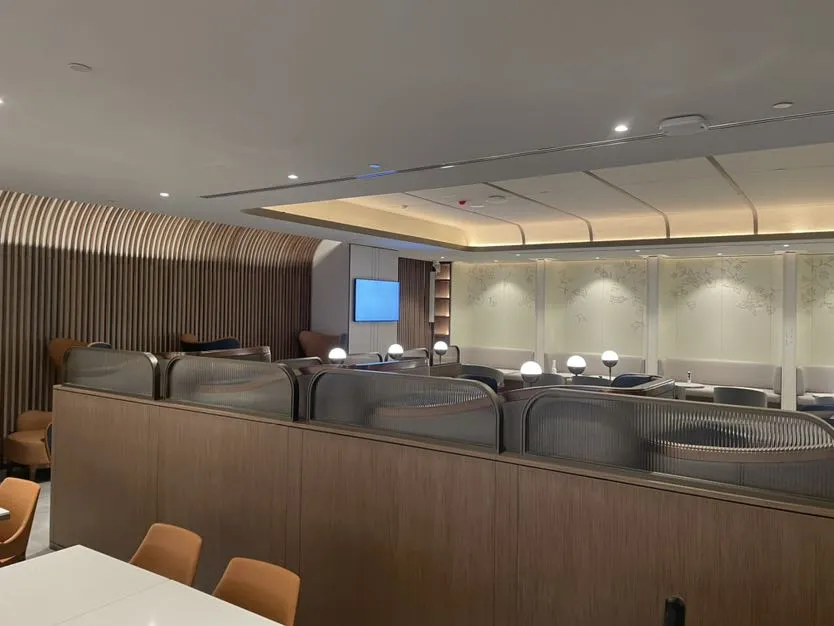
Acoustic ceiling Australia solutions are particularly effective in open-plan offices, classrooms, and large commercial spaces where sound travels easily. A sustainable ceiling system not only absorbs unwanted noise but also contributes to energy efficiency.
For example, certain acoustic plaster products can be applied in a seamless layer that reduces the need for additional ceiling treatments, saving material resources and installation time. The combination of aesthetic appeal, sound management, and sustainability makes these systems ideal for modern green buildings.
Acoustic Solutions Tailored to Your Project
Every building has unique acoustic requirements. Acoustic solutions Australia can be customised to meet the needs of different projects:
- Commercial offices: Reduce distractions in open-plan spaces, boardrooms, and collaborative areas.
- Educational facilities: Ensure clarity in classrooms and lecture theatres while maintaining sustainable materials.
- Healthcare environments: Minimise noise for patient comfort without compromising green design standards.
- Residential developments: Provide quiet, comfortable living spaces that align with environmentally responsible construction.
By tailoring acoustic treatments to each building, developers can optimise both performance and sustainability.
The Benefits of Sustainable Acoustic Plaster
Acoustic plaster is a versatile and eco-friendly solution that combines sound absorption, aesthetics, and longevity. Its key benefits for green buildings include:
- Seamless design: Integrates into ceilings and walls without additional bulky treatments.
- Environmentally responsible: Many products incorporate recycled or low-impact materials.
- Durability: Long-lasting acoustic performance reduces waste and maintenance needs.
- Enhanced comfort: Creates quieter, more productive spaces for occupants.
For architects and builders, these features make acoustic plaster a preferred choice in sustainable construction projects across Australia.
Cost and Long-Term Value
Investing in sustainable acoustic solutions may have slightly higher upfront costs than traditional systems, but the long-term value is significant. Efficient sound management leads to:
- Increased productivity in commercial environments.
- Higher occupant satisfaction in residential and healthcare spaces.
- Reduced maintenance and replacement costs over the building’s lifespan.
Additionally, sustainable materials support green building certifications, which can increase the marketability and prestige of the property.
Partnering with Experts for Sustainable Acoustic Design
Achieving the right balance between sustainability, aesthetics, and acoustic performance requires professional expertise. Experienced acoustic consultants and installers can assess building requirements, recommend appropriate acoustic ceiling systems or plaster treatments, and ensure seamless integration into the design.
Working with specialists like VIP Designs guarantees that eco-friendly acoustic solutions are installed efficiently, meeting Australian standards while enhancing comfort and functionality.
Creating Quieter, Greener Spaces
Sustainable acoustic solutions are more than just a technical requirement—they are an investment in quality, wellbeing, and the environment. By incorporating acoustic plaster, tailored acoustic ceiling systems, and other sound treatments, Australian buildings can achieve:
- Optimal noise control for employees, students, patients, or residents.
- Long-lasting performance that reduces environmental impact.
- Modern, professional aesthetics that complement green design principles.
For architects, builders, and property developers, prioritising acoustic solutions Australia is essential for creating buildings that are both eco-friendly and human-centred.